TOP 5 BUGS!!!!!
September 19, 2025
Nature.
A constant, terrifying force with a power that cannot be controlled. Raging landslides, torrential thunderstorms, enormous volcanoes— all the standard for our planet’s surface, and yet many of the species that call Earth home haven’t yet descended into a culture of brutal death and destruction. We have, of course. I'm sure that it can be agreed upon universally that humans, in all of our hateful and skeptical glory, are notoriously difficult to befriend. It’s easy to fall into the rabbit hole of daydreaming when community is a feature of life not accepted by most. To be an orca, navigating the sea with all who came before you, surviving solely by the act of loyalty. To sleep in the warm communal den of spotted hyenas. Oftentimes I find myself face down on grass fields, peering into the infinitesimal jungle that ground-dwelling insects call their home. In my dreams I grow translucent wings and follow damselflies into the clouds. Where might I live? What would I see? Who could I befriend? The latter is a recurring thought in my mind. After much consideration, and even more mad ramblings to my peers, I have collected a list of the top five insects that I would want to befriend if I, too, was a bug.
5. Bladder Cicada
Cystosoma saundersii, commonly known as the bladder cicada, is a large, tree-dwelling insect native to Queensland, Australia. The bladder cicada falls at the bottom of this list for its untrustworthy nature, though that is not to say that I wouldn’t enjoy my time spent with it. Masters of camouflage, these little buggers are only active at night and have a habit of playing dead when under the slightest amount of stress. I could see myself being entertained by its presence, seeing as it has kind eyes and a good soul, but I prefer my friends to have a bit more of a backbone. These cicadas just cannot provide a sense of security in a friendship, and henceforth I cannot rate them any higher than #5.
4. Moss Carder Bee
The moss carder bee, or Bombus muscorum, is a species of bumblebee originating from the British Isles and surrounding Eurasian countries. After a survey conducted with willing volunteers, the data has shown that bumblebees of all kinds are on the top of many lists just like this. To that I say hurrah— power to the pollinators— but cannot with good conscious list the moss carder bee any higher than #4. Any insect caught in the evolutionary web of eusociality, the highest level of animal sociality in which individuals come together to form a superorganism, does not belong anywhere near me or my social circles. They may be fuzzy, warm-toned, and tiny, but their adorable nature is not strong enough to fool an insect like me. I could, hypothetically, politely laugh at a bee’s joke and make small conversation, however I would shut down the interaction the minute they invite me to the hivemind.

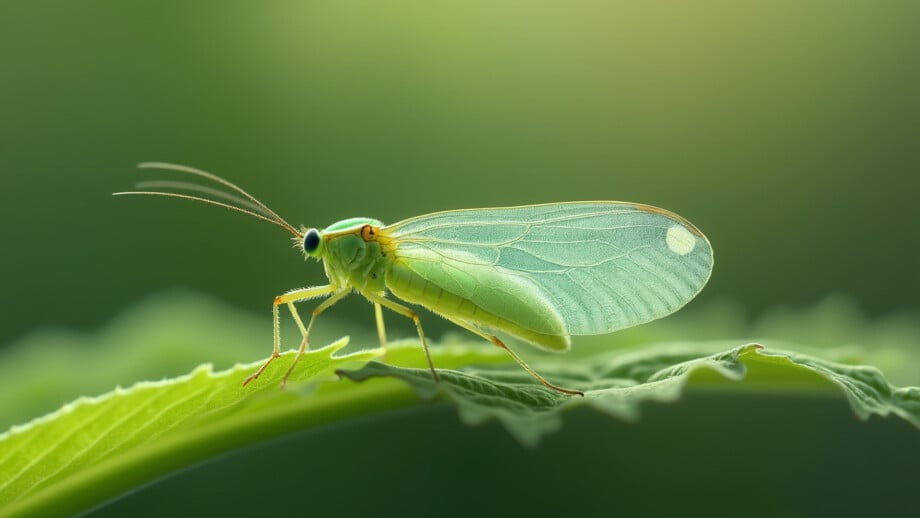
3. Green Lacewings
At a humble #3, we have Chrysopidae, or the green lacewing family. There are 85 genera that fall under this label, though each of them fall under the same ranking here due to their minute biological differences. To me, these lovely little creatures look like masters of fun. Perhaps your conversations may be a bit shallow, as they don’t particularly strike me as the intelligent type, but lacewings make for a solid buddy to have by your side. Their delicate net-like wings tell me that they have a sensitive, gentle nature as well, and hold patience as a virtue. I would be extremely cautious around any lacewing in their larva or pupa stage, seeing as they are highly predatory, cannibalistic, and aggressive towards both other insects and humans in this phase of life. I do not want to get bitten. I think that’s fair. Despite the shortcomings from their younger stages of life, I believe that adult lacewings have the potential to be a lifelong asset. Overall, I think highly of lacewings and would trust them completely in a friendship, so long as they are fully hatched adults.
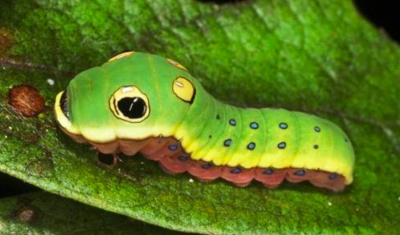
2. Spicebush Swallowtail Caterpillar
The spicebush swallowtail butterfly, Papilio troilus, can be found across southeast regions of North America, mostly within the Florida peninsula. The fully hatched adult butterflies are beautiful, I will admit that, but they are not second on this list for just their looks and elegance. Well, maybe looks. Spicebush swallowtail larvae are unique in their ability to physically mimic other animals, resembling bird droppings while young (along with an ability to produce a foul-smelling chemical when threatened), and developing huge, predator-like ‘eyes’ during later larval stages. This is just the coolest thing. Look at them. I really don’t think I have to explain any more about this.
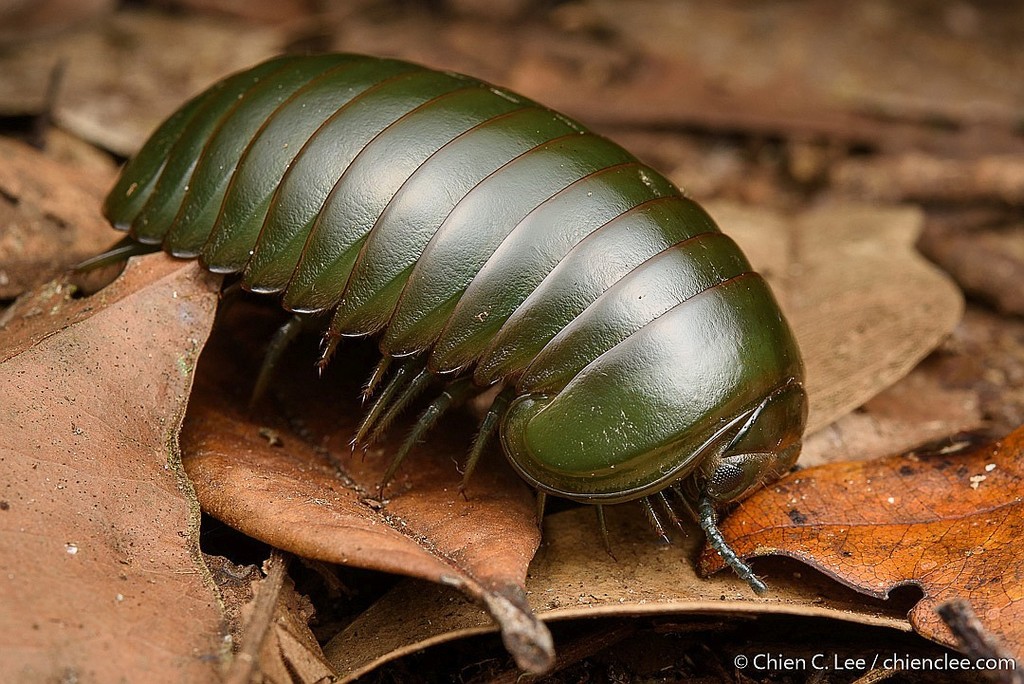
1. Giant Pill Millipede
In first place, we have Sphaerotheriida, referring to the order of giant pill millipedes residing in Southern Africa, Southeast Asia, and Oceania. I can’t even begin to tell you how much I adore these bugs. My love for giant pill millipedes isn’t even based on my knowledge of the order and its biological qualities; it is simply based within the soul, as though my inner conscious is reaching out to hold one in the palm of my hand. Even if I did understand anything about this order or the genera within it, my astonishment would only grow deeper. I try to avoid diving too deeply into the science behind these critters to not ruin the magic for myself. Like nature’s diamonds, little shining stars reflecting up from the marshy grasses, my heart swells in size at the sheer sight of these giant roly-pollies.